Kulen Mountain National Park Tour: Hidden the Sacred Mountain& Kampong Plouk Floating Village Kulen Mountain National Park Tour:...

7.Kulen Mountain National Park, Sunrise at Angkor Wat, Angkor Thom, Ta Prohm and Floating Village and Nestled in the heart of northwestern Cambodia, Kulen Mountain National Park is one of the country’s most treasured natural and cultural destinations. Known as the birthplace of the ancient Khmer Empire, this sacred mountain offers a fascinating blend of breathtaking landscapes, spiritual heritage, ancient archaeological wonders, and refreshing waterfalls. From dramatic mountain cliff viewpoints and sacred rivers adorned with thousands of lingas to a magnificent reclining Buddha and vibrant local markets, Kulen Mountain is a destination that captures the imagination of every traveler.
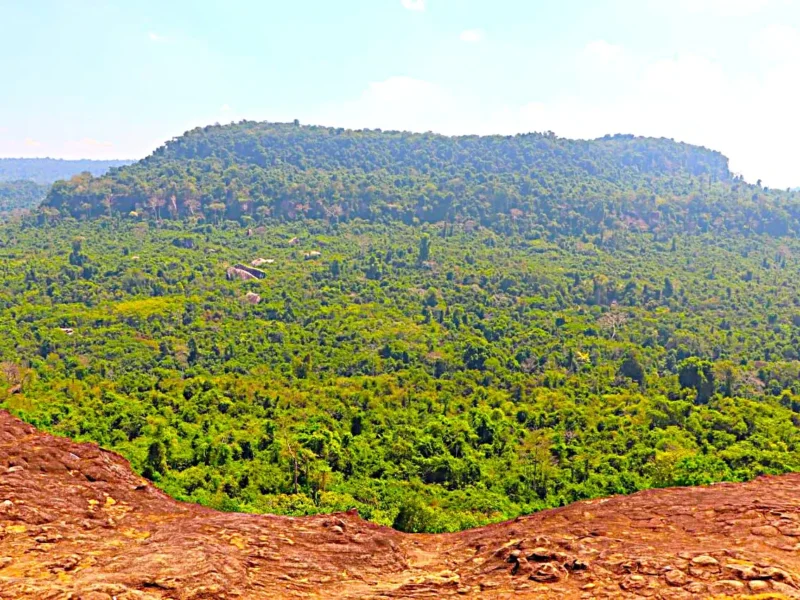
Discover the Wonders of Kulen Mountain National Park: Cambodia’s Sacred Mountain and Kulen Mountain, also known as Phnom Kulen, holds a special place in Cambodian history. It was here in the year 802 AD that King Jayavarman II proclaimed independence from foreign rule and declared himself the universal monarch, marking the birth of the Khmer Empire. This historic event laid the foundation for one of Southeast Asia’s greatest civilizations, which later built the magnificent temples of Angkor.
7.Kulen Mountain National Park, Sunrise at Angkor Wat, Angkor Thom, Ta Prohm and Floating Village, For Cambodians, Kulen Mountain is not simply a tourist attraction; it is a sacred and spiritual landmark deeply connected to the nation’s identity. Pilgrims from across the country visit the mountain throughout the year to pay respects at its holy sites and seek blessings for health, happiness, and prosperity.
A Journey Through Nature’s Masterpiece, As visitors ascend the winding roads leading to the summit, the landscape transforms into a lush paradise of dense forests, rolling hills, and refreshing mountain air. The national park covers a vast area of protected wilderness that provides a sanctuary for diverse wildlife and native plant species. The peaceful atmosphere and cool climate create a perfect escape from the bustling cities and crowded tourist destinations. Every turn along the journey reveals stunning natural scenery that showcases Cambodia’s remarkable beauty.
Spectacular Mountain Cliff Views
7.Kulen Mountain National Park, Sunrise at Angkor Wat, Angkor Thom, Ta Prohm and Floating Village and One of the most unforgettable experiences at Kulen Mountain National Park is standing atop its dramatic cliffs and gazing across the endless horizon. These natural viewpoints offer panoramic vistas of forests, rice fields, villages, and distant landscapes stretching as far as the eye can see.
The mountain cliffs provide ideal spots for photography enthusiasts seeking breathtaking sunrise or sunset shots. During the early morning hours, a soft mist often blankets the valleys below, creating a magical scene that resembles a sea of clouds. As the sun rises higher, the landscape gradually reveals its vibrant colors, offering a spectacular display of nature’s beauty.
Visitors often pause at these viewpoints to appreciate the tranquility and grandeur of the surrounding environment. The combination of fresh mountain breezes and magnificent scenery makes the cliff viewpoints among the most rewarding attractions within the park.
The Mystical River of 1,000 Lingas
One of Kulen Mountain’s most extraordinary treasures is the sacred River of a Thousand Lingas. Hidden beneath the flowing waters are intricate carvings etched directly into the sandstone riverbed centuries ago.The lingas, symbolic representations associated with Hindu traditions, were carved by ancient artisans during the Angkor period. Alongside these sacred symbols, visitors can also observe detailed carvings of deities, lotus flowers, and other religious motifs. The flowing water passing over these carvings was believed to become blessed before continuing downstream toward the ancient capital.
This remarkable archaeological site reflects the spiritual beliefs and artistic achievements of the Khmer civilization. The sight of clear water gently flowing across centuries-old carvings creates a serene and almost mystical atmosphere.Visitors walking along the shaded forest pathways leading to the river often find themselves immersed in a peaceful environment where history, spirituality, and nature blend harmoniously.
The Majestic Reclining Buddha
Another highlight of Kulen Mountain National Park is the impressive reclining Buddha statue situated atop a large sandstone rock. This sacred monument attracts thousands of pilgrims and visitors every year.The giant Buddha, carved directly into the natural rock formation, measures several meters in length and is one of Cambodia’s most revered religious sites. The statue depicts Buddha in a peaceful reclining posture, symbolizing the attainment of enlightenment and ultimate peace.
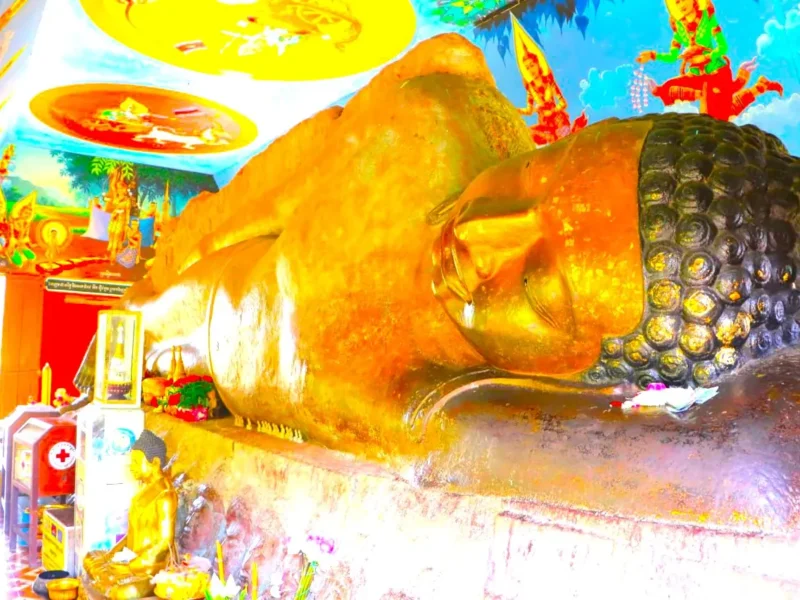
The surrounding temple complex offers a calm and spiritual atmosphere where visitors can observe traditional religious practices, make offerings, and learn about local Buddhist traditions. The scent of incense, the sound of prayers, and the colorful decorations create an unforgettable cultural experience. Many visitors climb the staircase leading to the shrine not only to admire the craftsmanship of the statue but also to enjoy beautiful views of the surrounding landscape. The site serves as both a spiritual sanctuary and a cultural landmark that reflects Cambodia’s enduring Buddhist heritage.
The Beauty of Kulen Waterfalls
No visit to Kulen Mountain National Park would be complete without experiencing its famous waterfalls. These cascading waters are among the most popular attractions in the region and provide a refreshing retreat for visitors of all ages. The first waterfall features a wide cascade flowing over smooth rock formations, creating a picturesque setting ideal for relaxation and photography. Families often gather near the water to enjoy picnics and spend time together in the cool mountain environment.
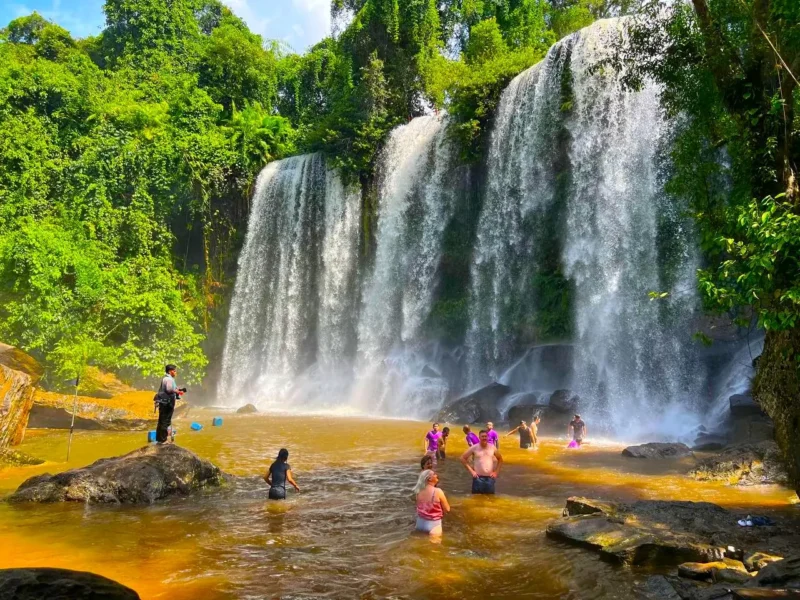
Further downstream lies the larger and more dramatic waterfall, where water plunges from a greater height into a natural pool below. The sight and sound of the rushing water create an atmosphere of excitement and natural wonder. Swimming beneath the waterfalls is a favorite activity for both locals and tourists. The cool, crystal-clear water offers welcome relief from Cambodia’s tropical heat, making it a perfect destination during warm afternoons.
7.Kulen Mountain National Park, Sunrise at Angkor Wat, Angkor Thom, Ta Prohm and Floating Village, Surrounded by lush vegetation and towering trees, the waterfalls showcase the raw beauty of Cambodia’s natural environment. Whether viewed from nearby observation areas or enjoyed up close in the water, they leave a lasting impression on every visitor.
Exploring the Local Market
7.Kulen Mountain National Park, Sunrise at Angkor Wat, Angkor Thom, Ta Prohm and Floating Village, A visit to Kulen Mountain is also an opportunity to experience authentic Cambodian culture through its local market. Located near the main tourist areas, the market is filled with colorful stalls offering fresh produce, traditional snacks, handmade crafts, and local souvenirs. Visitors can sample delicious Cambodian foods prepared by local vendors, including grilled meats, tropical fruits, sticky rice desserts, and refreshing beverages.
The market atmosphere is lively and welcoming, providing a glimpse into everyday life in rural Cambodia. Many travelers enjoy purchasing handmade products such as woven baskets, wooden carvings, and traditional textiles. These unique items make meaningful souvenirs while supporting local communities and artisans. The market also serves as a gathering place where visitors can interact with friendly locals, learn about regional customs, and experience the warm hospitality for which Cambodia is renowned.
Rich Biodiversity and Natural Beauty
7.Kulen Mountain National Park, Sunrise at Angkor Wat, Angkor Thom, Ta Prohm and Floating Village, Beyond its famous attractions, Kulen Mountain National Park is home to diverse ecosystems that support a variety of wildlife. The forests provide habitat for numerous bird species, butterflies, reptiles, and small mammals. Nature lovers can explore forest trails that wind through lush vegetation and offer opportunities to observe native plants and animals in their natural surroundings. The peaceful environment encourages visitors to slow down and appreciate the beauty of the natural world. Conservation efforts help protect the mountain’s ecological resources while ensuring that future generations can continue to enjoy this remarkable landscape.
A Place of Spiritual Reflection
For many visitors, Kulen Mountain is more than a scenic destination—it is a place of spiritual reflection and personal connection. The combination of sacred sites, natural beauty, and historical significance creates a unique atmosphere that inspires contemplation and appreciation.\Whether standing beside the sacred river, offering prayers at the reclining Buddha shrine, or simply listening to the sound of waterfalls flowing through the forest, visitors often describe a profound sense of peace and tranquility. This spiritual dimension distinguishes Kulen Mountain from many other tourist destinations and contributes to its enduring popularity among both Cambodians and international travelers.
An Unforgettable Cambodian Experience
Kulen Mountain National Park represents the perfect blend of history, culture, spirituality, and natural beauty. From the historic legacy of King Jayavarman II and the birth of the Khmer Empire to the sacred River of 1,000 Lingas, the magnificent reclining Buddha, breathtaking cliff viewpoints, bustling local markets, and stunning waterfalls, every corner of the mountain tells a unique story.
Visitors leave with more than photographs and souvenirs; they depart with a deeper understanding of Cambodia’s rich heritage and a lasting appreciation for one of the nation’s most sacred landscapes. Whether you are a history enthusiast, nature lover, photographer, spiritual traveler, or adventure seeker, Kulen Mountain National Park offers an unforgettable journey through the heart and soul of Cambodia. Its timeless beauty, cultural significance, and peaceful atmosphere make it a destination that truly deserves a place on every traveler’s itinerary.
Kampong Phluk Floating Village: A Unique Journey into Cambodia’s Water World
Hidden along the shores of the magnificent Tonlé Sap Lake, Kampong Phluk Floating Village offers one of the most fascinating and authentic cultural experiences in Cambodia. Located just a short drive from Siem Reap, this remarkable village invites visitors to explore a unique way of life where homes, schools, restaurants, and daily activities are deeply connected to the water. Surrounded by breathtaking rice fields, towering stilt houses, traditional fishing boats, and endless lake views, Kampong Phluk is a destination that showcases the beauty, resilience, and traditions of local Cambodian communities.
A Scenic Journey Through the Countryside
The adventure to Kampong Phluk begins with a peaceful drive through the Cambodian countryside. Along the way, visitors are greeted by vast stretches of green rice fields that seem to extend endlessly toward the horizon. Depending on the season, the fields shimmer in different shades of green and gold, creating a spectacular rural landscape.

Traditional wooden houses, grazing cattle, and farmers working in the fields offer a glimpse into everyday village life. The journey itself becomes part of the experience, providing excellent opportunities for photography and allowing travelers to appreciate Cambodia’s agricultural heritage.As visitors approach the village, the scenery gradually changes from farmland to waterways, revealing a fascinating world built around the rhythms of the lake.
The Remarkable Stilt Houses
One of the most impressive sights in Kampong Phluk is its extraordinary collection of stilt houses. These towering wooden homes stand high above the ground on massive stilts, some reaching heights of six to ten meters. During the rainy season, when water levels rise dramatically, the houses appear to float above the lake. In the dry season, visitors can clearly see the enormous wooden pillars supporting the homes, highlighting the ingenuity of local residents who have adapted to the changing environment for generations.
The stilt houses create a striking and unforgettable landscape unlike anywhere else in the world. Walking or boating through the village allows visitors to admire these unique architectural structures while learning about the lifestyle of the families who call them home.
Colorful Boats and Waterway Adventures
Boats are the lifeblood of Kampong Phluk. From small wooden canoes to larger passenger boats, these vessels serve as the primary means of transportation for local residents. Visitors can embark on relaxing boat tours that navigate through the village’s waterways and channels. The colorful boats gliding across the water create a vibrant scene that perfectly reflects the spirit of the community.
As the boat moves through the village, travelers can observe fishermen returning with their daily catch, children traveling to school by boat, and families carrying out their daily routines. The gentle movement across the water offers a peaceful and immersive way to experience life on Tonlé Sap Lake. For photographers, the combination of traditional boats, towering stilt houses, and reflective waters provides countless opportunities to capture memorable images.
Authentic Local Village Life
Kampong Phluk offers visitors a rare chance to witness authentic village life largely unchanged by modern urban influences. The community relies heavily on fishing, agriculture, and small-scale commerce, maintaining traditions that have been passed down through generations.Residents are known for their friendliness and hospitality. Visitors often enjoy observing daily activities such as fish drying, net repairing, boat maintenance, and food preparation.
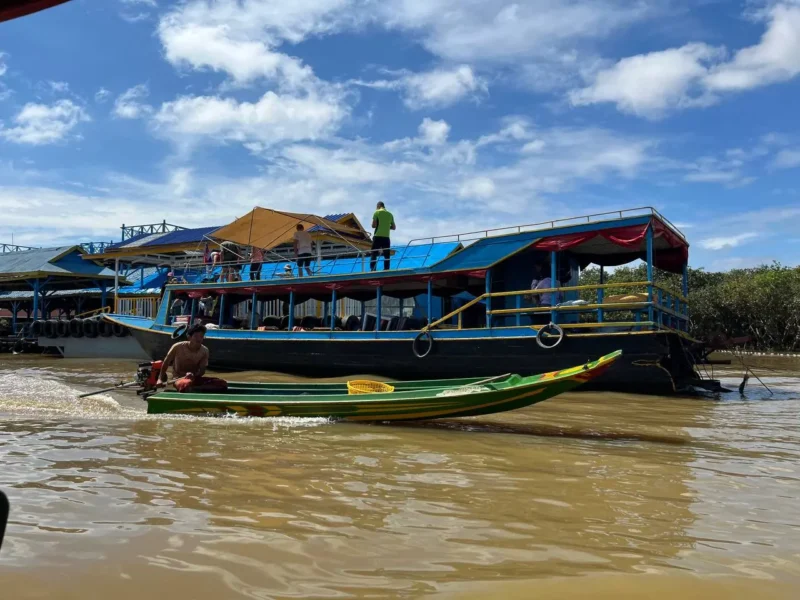
The village atmosphere is calm and welcoming, allowing travelers to connect with local culture in a meaningful way. Unlike many heavily commercialized destinations, Kampong Phluk retains a genuine sense of community that makes every visit feel personal and authentic.
The Floating School
One of the most inspiring sights in Kampong Phluk is its school, which serves the children of the local community. Education remains an important part of village life despite the challenges of living in a water-based environment. Children often travel by boat to attend classes, demonstrating remarkable determination and commitment to learning. Watching students navigate the waterways on their way to school provides a unique glimpse into their daily lives.
The presence of the school highlights the resilience and adaptability of the community. It serves as a symbol of hope and progress while preserving the traditions and values that define the village. Visitors frequently find this aspect of Kampong Phluk particularly memorable, as it showcases the importance of education even in remote and challenging environments.
Fishing: The Heart of the Community
Fishing is the foundation of life in Kampong Phluk. The vast waters of Tonlé Sap Lake provide an abundance of fish that support both local families and Cambodia’s wider economy. Throughout the village, visitors can observe fishermen using traditional techniques passed down through generations. Nets, traps, and fishing boats are common sights along the waterways.
The daily fishing activities create a vibrant atmosphere as residents prepare equipment, sort their catch, and transport fish to markets. This close relationship with the lake has shaped the culture, economy, and identity of the village for centuries. Learning about the fishing traditions offers valuable insight into the connection between local communities and one of Southeast Asia’s most important freshwater ecosystems.
Floating Restaurants and Local Cuisine
A visit to Kampong Phluk would not be complete without experiencing its floating restaurants. These unique dining establishments offer visitors the chance to enjoy delicious Cambodian cuisine while surrounded by stunning water views. Fresh fish from Tonlé Sap Lake often features prominently on the menu, alongside traditional Khmer dishes prepared using locally sourced ingredients. Dining on a floating platform while watching boats pass by creates a memorable and relaxing experience.
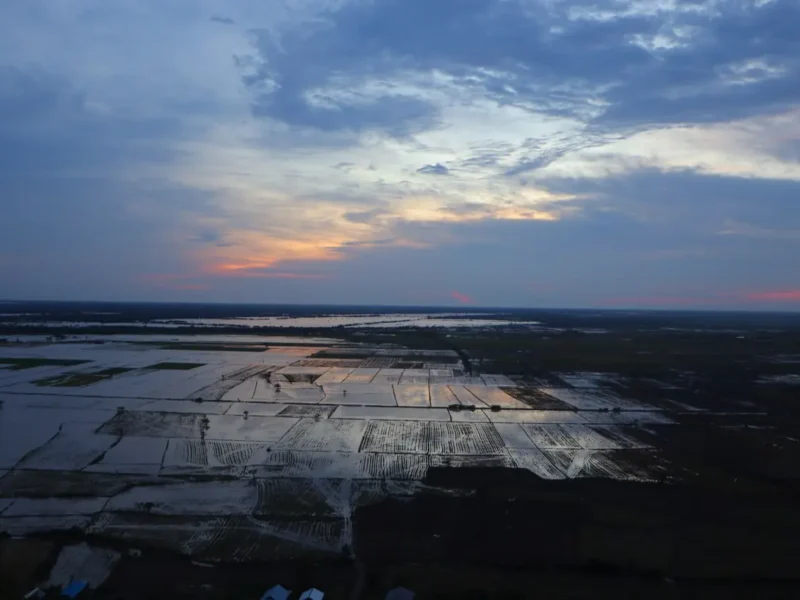
The restaurants provide an ideal place to pause and appreciate the peaceful atmosphere of the lake. Whether enjoying a traditional meal or simply sipping a refreshing drink, visitors can immerse themselves in the beauty of their surroundings.
Magnificent Views of Tonlé Sap Lake
One of the highlights of any visit to Kampong Phluk is the opportunity to explore the vast expanse of Tonlé Sap Lake. As Southeast Asia’s largest freshwater lake, Tonlé Sap is renowned for its ecological importance and breathtaking scenery. Boat tours often extend beyond the village into open waters, where visitors can enjoy panoramic views of the lake stretching toward the horizon. The endless blue waters, dramatic skies, and distant fishing boats create a landscape of remarkable beauty.
Nestled in the heart of Cambodia, the Angkor Archaeological Park is one of the world’s most extraordinary cultural treasures. Covering more than 400 square kilometers, this UNESCO World Heritage Site is home to magnificent temples, ancient cities, and breathtaking landscapes that transport visitors back to the glory days of the Khmer Empire. Among its countless wonders, four destinations stand out as unforgettable highlights: the enchanting Sunrise at Angkor Wat, the majestic city of Angkor Thom, the hidden sanctuary of Ta Nei Temple, and the mystical jungle-covered Ta Prohm Temple.
Sunrise at Angkor Wat: A Spectacle of Light and Wonder
No visit to Cambodia is complete without witnessing the legendary sunrise at Angkor Wat. Known as the largest religious monument in the world, Angkor Wat is an architectural masterpiece that symbolizes the ingenuity and spiritual devotion of the Khmer civilization.
Before dawn, travelers from around the globe gather quietly around the reflective ponds in front of the temple. As darkness slowly fades, the silhouette of Angkor Wat’s five iconic towers emerges against the horizon. The atmosphere is filled with anticipation as the first rays of sunlight begin to illuminate the sky.

The transformation is magical. Shades of deep blue gradually give way to vibrant hues of pink, orange, and gold. The temple’s reflection shimmers in the still waters, creating a picture-perfect scene that feels almost dreamlike. Photographers eagerly capture the moment, while others simply stand in awe of nature’s beauty combined with one of humanity’s greatest architectural achievements.
Built in the early 12th century during the reign of King Suryavarman II, Angkor Wat was originally dedicated to the Hindu god Vishnu before becoming a Buddhist temple. Every corner of the temple tells a story through intricate carvings and bas-reliefs depicting mythological tales, historical events, and scenes from everyday life.
As the sun rises higher, visitors can explore the temple’s galleries, courtyards, and towers. The detailed craftsmanship, symmetrical design, and spiritual atmosphere make Angkor Wat a place that inspires wonder and admiration. Watching the sunrise here is not just a sightseeing activity—it is an unforgettable experience that connects visitors to centuries of history and culture.
Angkor Thom: The Great City of the Khmer Empire
Just north of Angkor Wat lies Angkor Thom, the last and most enduring capital of the Khmer Empire. Established in the late 12th century by King Jayavarman VII, Angkor Thom translates to “Great City,” and its grandeur remains evident even today. Surrounded by massive walls and a wide moat, Angkor Thom covers an area of approximately nine square kilometers. Visitors enter the city through impressive gates adorned with giant stone faces and rows of gods and demons holding the mythical serpent Naga.
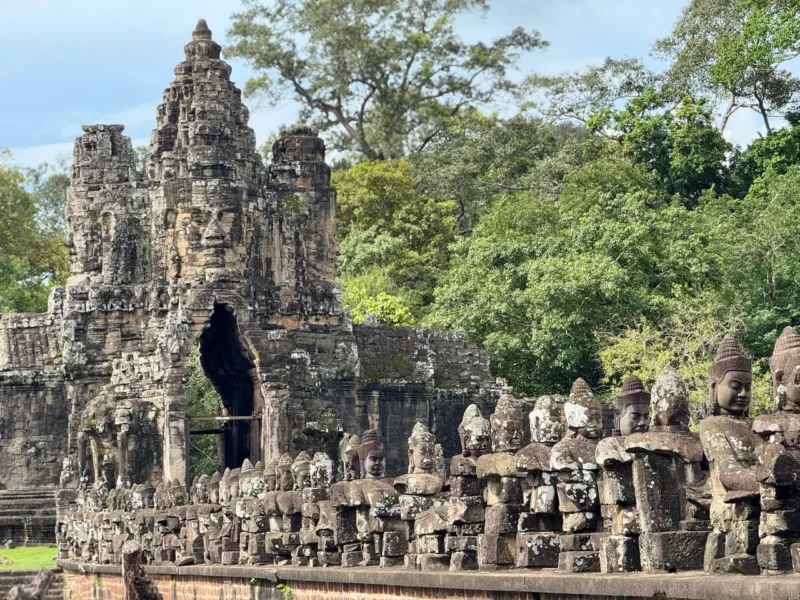
The most famous attraction within Angkor Thom is the Bayon Temple, renowned for its mysterious smiling stone faces. More than 200 serene faces are carved into the temple’s towers, creating an atmosphere of peace and mystery. Many scholars believe these faces represent either King Jayavarman VII or the Bodhisattva Avalokiteshvara, the embodiment of compassion.
Walking through Bayon is a fascinating experience. The temple’s labyrinth-like corridors reveal stunning bas-reliefs depicting historical battles, religious ceremonies, and scenes from daily Khmer life. Every angle offers new discoveries, making Bayon one of the most captivating temples in Southeast Asia.
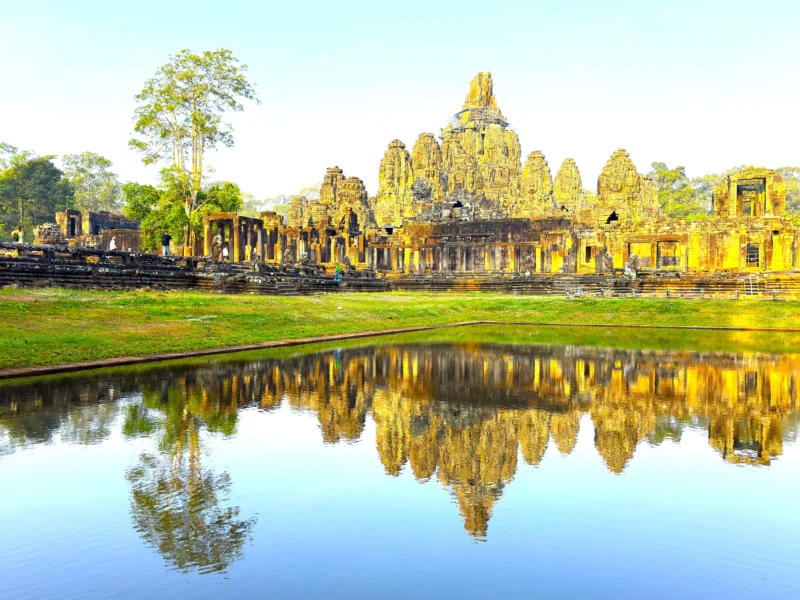
Beyond Bayon, Angkor Thom contains several other remarkable monuments. The Terrace of the Elephants served as a royal viewing platform where kings observed military parades and public ceremonies. Its beautifully carved elephant sculptures stretch across hundreds of meters, showcasing the artistic excellence of Khmer craftsmen.
Nearby, the Terrace of the Leper King features intricate carvings of mythical beings and celestial figures hidden within its walls. Despite its mysterious name, the terrace remains one of Angkor Thom’s most intriguing archaeological treasures.
The city’s broad avenues, ancient structures, and sacred spaces provide visitors with a deeper understanding of the Khmer Empire’s political power, religious beliefs, and cultural achievements. Exploring Angkor Thom feels like stepping into a living history book where every stone tells a story.
Ta Nei Temple: A Hidden Gem in the Jungle
While Angkor Wat and Angkor Thom attract large numbers of visitors, Ta Nei Temple offers a completely different experience. Hidden deep within the forest, this lesser-known temple provides tranquility, authenticity, and a sense of adventure rarely found at more crowded sites. Built during the reign of King Jayavarman VII in the late 12th century, Ta Nei was originally a Buddhist monastery. Unlike many of Angkor’s famous temples, Ta Nei remains relatively untouched by extensive restoration efforts. As a result, visitors can experience the temple much as early explorers discovered it centuries ago.

The journey to Ta Nei is part of its charm. Accessible by a quiet forest path, the route takes visitors through lush vegetation and peaceful surroundings. Along the way, the sounds of birds, insects, and rustling leaves create a natural soundtrack that enhances the feeling of exploration. Upon arrival, visitors are greeted by weathered stone structures partially embraced by nature. Ancient gateways, corridors, and towers emerge from the forest canopy, creating a harmonious blend of architecture and wilderness. Moss-covered stones, creeping vines, and towering trees add to the temple’s mystical atmosphere.
7.Kulen Mountain National Park, Sunrise at Angkor Wat, Angkor Thom, Ta Prohm and Floating Village and One of Ta Nei’s greatest attractions is its serenity. Unlike the busier temples, it is often possible to wander through its halls with only a handful of other visitors nearby. This peaceful environment allows travelers to appreciate the details of Khmer architecture and imagine what life may have been like centuries ago.
The temple’s intricate carvings, hidden courtyards, and secluded chambers reveal the craftsmanship of the Khmer builders. Every doorway frames a unique view, while shafts of sunlight filtering through the trees create beautiful patterns across the ancient stones.For travelers seeking a more intimate and authentic Angkor experience, Ta Nei is a true hidden treasure. It offers a rare opportunity to connect with both history and nature in a setting that feels untouched by time.
Ta Prohm Temple
7.Kulen Mountain National Park, Sunrise at Angkor Wat, Angkor Thom, Ta Prohm and Floating Village, Few places in the world capture the imagination quite like Ta Prohm Temple. Famous for its giant tree roots intertwining with ancient stone structures, Ta Prohm is one of Angkor’s most iconic and photogenic sites. Constructed in 1186 by King Jayavarman VII, Ta Prohm was dedicated to his mother and originally functioned as a Buddhist monastery and university. At its peak, thousands of monks, priests, and workers lived within the temple complex.
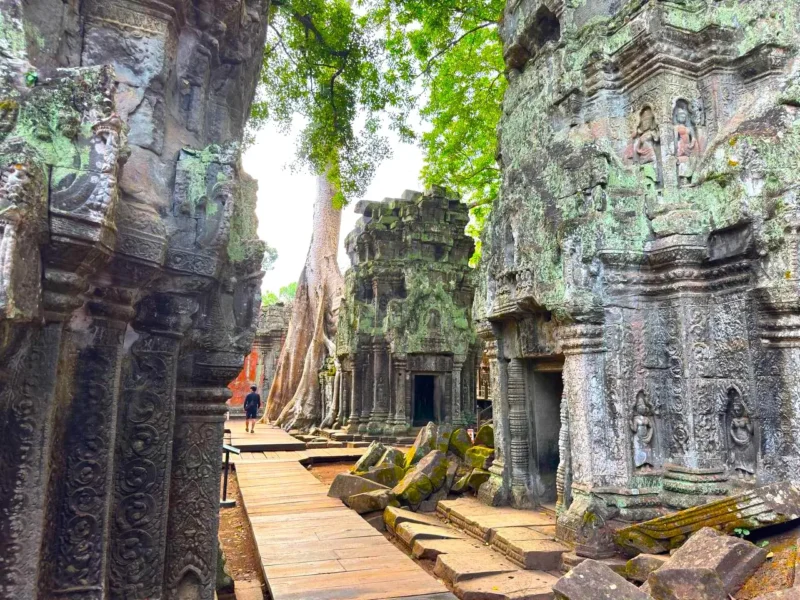
What makes Ta Prohm truly unique is the decision to preserve much of the temple in the condition in which it was discovered. Rather than removing all vegetation, conservation efforts have allowed visitors to witness the remarkable relationship between nature and architecture. Massive silk-cotton trees and strangler figs extend their roots over walls, doorways, and towers. These enormous roots appear to flow like rivers of stone, wrapping themselves around the temple’s structures in dramatic and beautiful ways.
7.Kulen Mountain National Park, Sunrise at Angkor Wat, Angkor Thom, Ta Prohm and Floating Village, Walking through Ta Prohm feels like entering a lost world. Sunlight filters through the dense canopy, creating an atmosphere of mystery and enchantment. Every corridor reveals breathtaking scenes where ancient ruins and powerful trees coexist in perfect harmony. The temple gained international fame after appearing in the movie “Lara Croft: Tomb Raider,” starring Angelina Jolie. Since then, it has become one of the most visited and photographed locations in Cambodia.

Despite its popularity, Ta Prohm retains an extraordinary sense of wonder. Visitors can explore narrow passageways, hidden courtyards, and crumbling galleries while marveling at the forces of nature that have shaped the temple over centuries. The contrast between human achievement and natural power is particularly striking here. The temple serves as a reminder that even the greatest civilizations eventually become part of the natural world. This unique blend of history, beauty, and symbolism makes Ta Prohm one of Angkor’s most unforgettable destinations.
This tour starts at 8:00am or up than that, if you request for! It’s free of charge.
Sunrise starts early morning at 4:30 to 5:00 am, from the Hotel (extra charge $10 for each of Tour Guide and driver).
Kulen Mountain National Park
Phnom Kulen Mountain has major symbolic importance for Cambodia as the birthplace of the ancient Khmer Empire, for it was at Phnom Kulen that King Jayavarman II proclaimed independence from Java in 802 CE. Jayavarman II initiated the Devaraja cult of the king, 99 –101 a linga cult, in what is dated as 804 CE and declaring his independence from Java of whom the Khmer had been a vassal state.
(Whether this is actually “Java”, the Khmer chvea used to describe Champa, as well as the legend that he was earlier held as a ransom of the kingdom in Java. It’s one of the best place with fresh forest, views, waterfall where we can swim in the holy water signification of Hindu culture

Kampong Phluk is a commune in Prasat Bakong District in Siem Reap Province Cambodia. The name means “Harbor of the Tusks”. The community largely depends on fishing for survival, primarily shrimp, spending Cambodia’s wet season fishing.
During the dry season (November–April) as the river thins due to receding water, many turn to farming to supplement their income. Tourism, which started in the village approximately 10 years ago, is also a growing part of the local economy.

The first day tour is the remoted area and those activities are amazing with Cambodia cultural life, customs, We organize this activity to our clients for the new experience and enjoy the holiday.
ANGKOR WAT TEMPLE
(Sunrise at the early morning) or Without sunrise, starting time at 8:00 am
Angkor Wat is the largest and most famous Khmer temple, built in the 12th century, between 1113 -1150, during the reign of King Suryavarman II; for Hindu temple. Standing 65 meters high, the temple is surrounded by a large moat [Khmer called Ko Teok]. The exterior and interior walls are covered with amazing base-reliefs.

Ta Prohm Temple
After visiting the iconic Angkor Wat temple, our driver will take you to Ta Prohm, known as the “Jungle Temple,” which was constructed by Jayavarman VII in honor of his mother. The temple has been engulfed by the jungle. The remarkable Bayon architecture blends seamlessly with the surrounding foliage.

It has gained particular fame due to its appearance in the film “Lara Croft: Tomb Raider,” starring Angelina Jolie in 2001. This setting provides a memorable glimpse of nature reclaiming a once-great civilization.
Angkor Thom Temple
After having breakfast, our driver will take the group to the Great Literate with sandstone bridge called South Gate of Angkor Thom. This entrance is the most stunning and well-preserved of the five that lead into Angkor Thom, which is the largest complex within the Angkor Archaeological Park. The royal city of Angkor Thom was constructed during the late 12th to early 13th century.
At Bayon Temple, you will explore the primary temple, Bayon, which was built by King Jayavarman VII. This temple is renowned for its 54 towers adorned with sculptural decorations, many featuring the iconic faces carved into the stone. The Terrace of the Elephants, as the name suggests, consists of three platforms surrounded by intricately carved elephants and depictions of an elephant hunt. The Terrace of Elephants features five piers that reach out towards the Central Square – three placed in the middle and one at each end. The central part of the retaining wall is adorned with life-sized figures of garudas and lions; at both ends are sections of the renowned procession of elephants, accompanied by their Khmer mahouts.
Bayon Temple
The “Four Smiling Faces of Bayon Temple” refer to the massive, serene faces carved into the towers of Bayon Temple, a key structure within the Angkor Thom complex in Cambodia. These faces, often depicted with half-closed eyes and gentle smiles, are a defining feature of the temple and are believed to represent either the bodhisattva Avalokiteśvara, or a combination of the Khmer king Jayavarman VII and the deity.
Phimeanakas Temple and Royal Palace
This royal temple is among the lesser-sized temples in Angkor. From the summit of its 12-meter / 39-foot
pyramid, one can enjoy a fantastic view of the entire archaeological site of Angkor Thom.
The Phimeanakas is referred to in English as the “Celestial Temple” and is a Hindu temple from the 10th century, constructed in the Khleang style. This three-tiered pyramid structure served as a venue for the worship of deities.
While it is smaller compared to other temples in the area, it still stands at a height of approximately 40 meters.
The name originates from a legend in which the king would ascend the stairs each night to be with the Naga princess. If the Naga did not appear one evening, it would signal the king’s demise and chaos would ensue throughout the kingdom.
Ta Nei Temple
Situated approximately 4.5 km (2.8 mi) from Angkor Wat, this quaint temple is not part of the primary tourist zones of Angkor, as tour buses do not access this location. Consequently, it tends to be less crowded, allowing you the opportunity to explore the temple of King Jayavarman VII alongside your guide.

Kulen Mountain National Park Tour: Hidden the Sacred Mountain& Kampong Plouk Floating Village Kulen Mountain National Park Tour:...
1.Best itinerary one day tour: over Beng Mealea & Korker Temples Best itinerary one day tour: over Beng...

Angkor Wat & ATV(Quad Bike) Tour: Discover Sunrise of Siem Reap with Unforgettable Quad Bike Adventure 2.Angkor Wat...

1-Ultimate Full Day Tour Itinerary: Discover sunrise Over Angkor, Bayon and Ta Prom temples 1-Ultimate Full Day Tour...

One day Itinerary: Discover Sunrise Angkor Wat ,Ta prom and Floating village Ultimate Angkor Adventure Itinerary: Discover Sunrise...
Discover the Wonders Itinerary of Siem Reap: 7.Kulen Mountain National Park, Sunrise at Angkor Wat, Angkor Thom, Ta...